 Histamine Tracker
Virgin Mojito

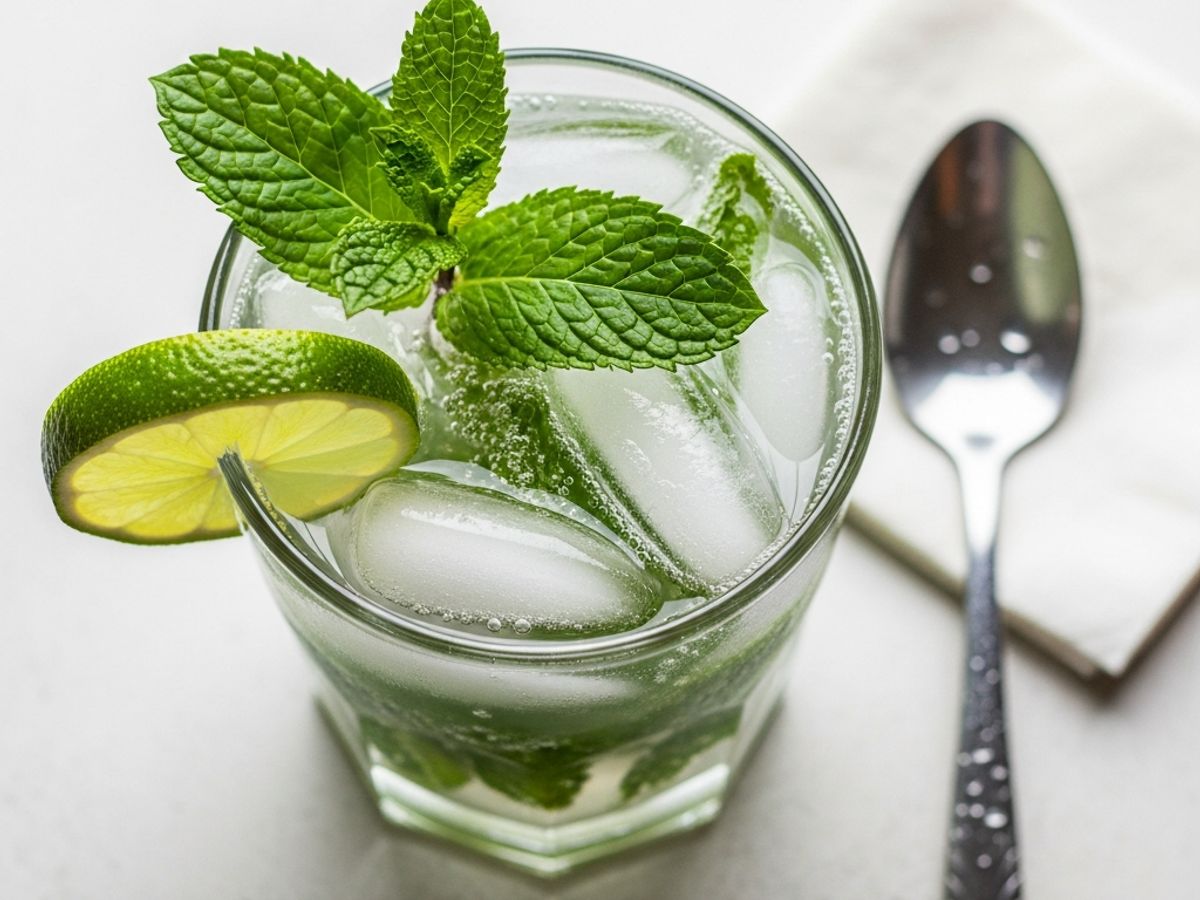
A low histamine virgin mojito of fresh mint, lime juice, cane sugar, and sparkling water over ice.
Ingredients
- 8-10 fresh mint leaves, plus more for garnish
- 1 tablespoon fresh lime juice (about half a lime)
- 1 tablespoon cane sugar or maple syrup
- 6 ounces sparkling water, chilled
- Ice cubes
- Lime wheel for garnish
Instructions
Muddle the Base
- Add mint leaves and sugar to a sturdy glass.
- Muddle gently, pressing down to release the mint oils. About 10-15 presses is enough.
- Don't pulverize the leaves. You want the oils released, not a green paste.
Add the Lime
- Squeeze fresh lime juice into the glass.
- Stir to combine with the muddled mint and dissolve the sugar.
Build the Drink
- Fill the glass with ice cubes.
- Pour the sparkling water over the ice.
- Stir gently to combine all the flavors.
Serve
- Garnish with a lime wheel and a fresh mint sprig.
- Serve immediately with a straw.
Tips & Substitutions
- Test your citrus tolerance first. Lime and other citrus fruits can act as histamine liberators for some people. If you're new to the low histamine diet or very sensitive, try a small amount of lime first and wait to see how you react before making a full drink.
- Skip the lime if needed. For a lime-free version, use 1-2 tablespoons of fresh apple juice instead. It won't taste like a traditional mojito, but it's still refreshing.
- Use organic lime. The oils in lime zest add flavor, so organic is preferred to avoid pesticide residue.
- Adjust sweetness. Traditional mojitos are fairly sweet. Start with less sugar and add more to taste.
- Cane sugar works best. For the authentic mojito texture, cane sugar dissolves better than some alternatives when muddled.
 Get the Histamine Recipes app
250+ low histamine recipes, every ingredient rated.


Why This Works
Fresh mint. Members of the mint family have been studied for potential mast cell stabilizing properties. Fresh mint provides the signature mojito flavor and cooling sensation.
Fresh lime juice. Use freshly squeezed lime for the lowest histamine levels. Bottled lime juice often contains preservatives and has been sitting longer.
A note on citrus. Citrus fruits including lime can act as histamine liberators for some people with histamine intolerance. This drink may not be suitable for everyone. If you've been following a low histamine diet for several months and have good symptom control, you may tolerate small amounts of citrus. Test your individual response.
Storage
Must be enjoyed immediately. The mint will wilt, the carbonation will dissipate, and the lime will become bitter if left to sit. Make fresh each time.
Not sure about an ingredient?
Histamine tolerance is personal, and most of working it out comes down to knowing where individual foods stand. Our low histamine food list rates 4,500+ foods and explains the reasoning behind each rating, including the foods whose level depends on how fresh they are or how they were stored. It is worth a look before you swap anything in this recipe.
Before you eat
A lot of people with histamine intolerance take a DAO enzyme supplement 15 to 30 minutes before a meal. DAO is the enzyme your body uses to break down the histamine in food, and taking it with meals supports that natural process. Curious how it works? See do DAO supplements actually work.
Affiliate link: if you buy through it, we may earn a commission at no extra cost to you. These statements have not been evaluated by the Food and Drug Administration. This product is not intended to diagnose, treat, cure, or prevent any disease.
For educational purposes only. Not medical advice. Consult a healthcare professional for personal guidance.
References
- 19 Low Histamine Spices & Herbs (and How To Use Them) — Low Histamine Eats
- 15 Types of High Histamine Fruit — Histamine Doctor
- 17 Low Histamine Fruits to Add to Your Diet — Low Histamine Eats
- Histamine and histamine intolerance — Maintz & Novak (2007)
- Histamine Intolerance: The Current State of the Art — Comas-Basté et al. (2020)
- Biogenic Amines in Plant-Origin Foods: Are They Frequently Underestimated in Low-Histamine Diets? — Sánchez-Pérez et al. (2021)
- Diamine Oxidase Supplementation Improves Symptoms in Patients with Histamine Intolerance — Schnedl et al. (2019)
- Histamine Intolerance — A Comprehensive Review — Jochum (2024)