 Histamine Tracker
Pomegranate Ginger Mocktail

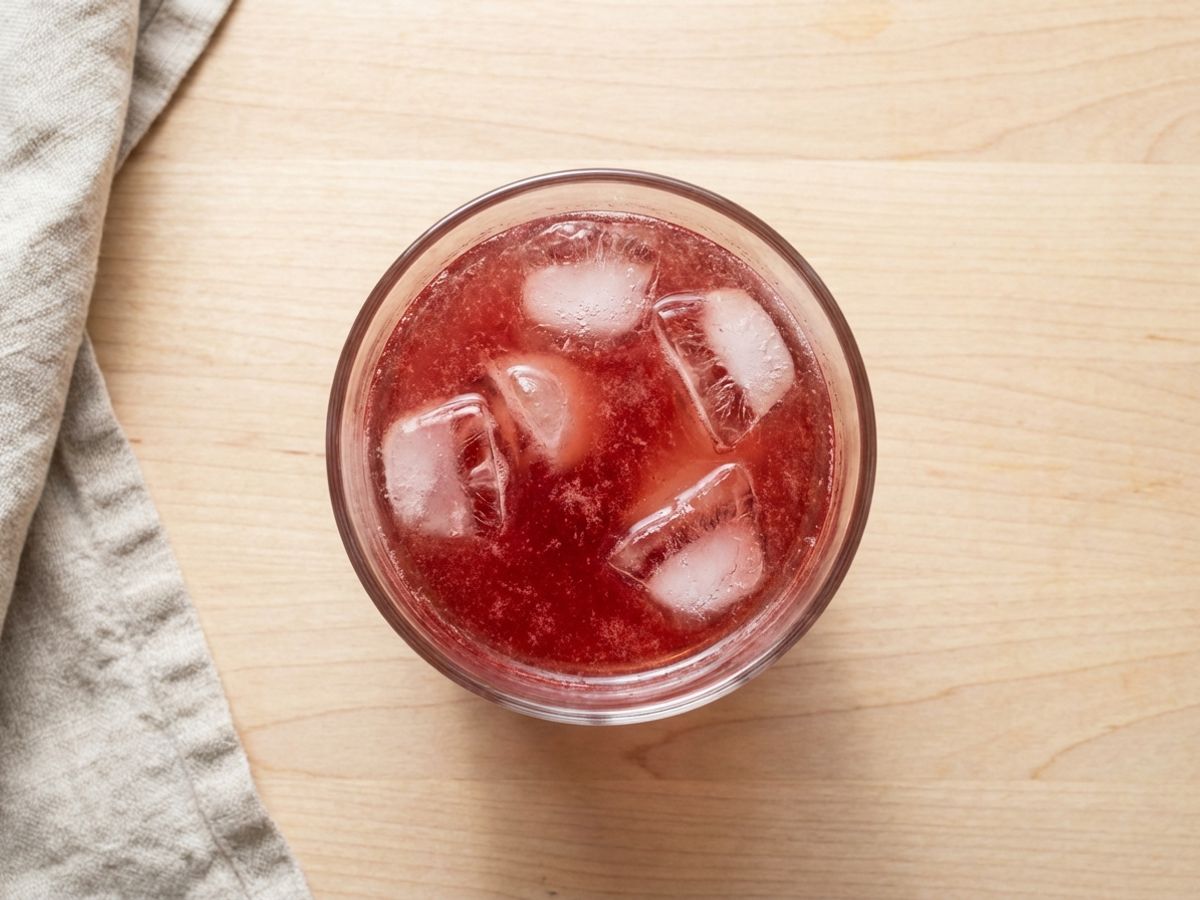
A low histamine mocktail of fresh pomegranate juice, grated ginger, maple syrup, and sparkling water.
Ingredients
- 1 cup fresh pomegranate juice (from about 2 pomegranates)
- 1 teaspoon fresh ginger, finely grated
- 1 tablespoon maple syrup
- 1 cup sparkling water, chilled
- Pomegranate seeds for garnish
- Fresh mint sprigs for garnish (optional)
Instructions
Prepare the Pomegranate Juice
- If using fresh pomegranates, cut in half and juice using a citrus juicer, or remove seeds and blend briefly, then strain.
- For store-bought juice, look for 100% pomegranate juice in a glass bottle with no additives.
Make the Ginger Base
- In a small bowl, combine freshly grated ginger with maple syrup.
- Let sit for 2-3 minutes to allow the ginger flavor to infuse.
- Strain out the ginger pieces if you prefer a smoother drink, or leave them in for more intensity.
Build the Drinks
- Divide the pomegranate juice between two glasses.
- Add half the ginger-maple mixture to each glass.
- Stir to combine.
- Add ice cubes to each glass.
- Top with sparkling water.
Serve
- Garnish with pomegranate seeds and a mint sprig.
- Serve immediately.
Tips & Substitutions
- Fresh juice is best. Pomegranate juice is lowest in histamine when freshly squeezed. Pre-bottled juice works but may have higher histamine levels due to processing and storage.
- Adjust the ginger. Start with less ginger if you're sensitive to spice, or add more if you love the warmth.
- Skip the sweetener. Pomegranate juice is naturally sweet. Taste before adding maple syrup.
- Make it ahead. Mix the pomegranate juice and ginger base ahead of time. Add sparkling water just before serving.
 Get the Histamine Recipes app
250+ low histamine recipes, every ingredient rated.


Why This Works
Pomegranate. Generally considered low in histamine. Some research suggests pomegranate may have mast cell stabilizing properties, though individual tolerance varies.
Ginger. Studies have found ginger extract may have antihistamine effects, and it's generally well tolerated by people with histamine intolerance. Fresh ginger is preferred over dried.
Fresh over processed. Using fresh pomegranate juice and fresh ginger keeps histamine levels as low as possible.
Storage
The juice base (without sparkling water) can be refrigerated for up to 24 hours. Add sparkling water just before serving. Pomegranate seeds can be stored separately in the refrigerator for 3-4 days.
Not sure about an ingredient?
Histamine tolerance is personal, and most of working it out comes down to knowing where individual foods stand. Our low histamine food list rates 4,500+ foods and explains the reasoning behind each rating, including the foods whose level depends on how fresh they are or how they were stored. It is worth a look before you swap anything in this recipe.
Before you eat
A lot of people with histamine intolerance take a DAO enzyme supplement 15 to 30 minutes before a meal. DAO is the enzyme your body uses to break down the histamine in food, and taking it with meals supports that natural process. Curious how it works? See do DAO supplements actually work.
Affiliate link: if you buy through it, we may earn a commission at no extra cost to you. These statements have not been evaluated by the Food and Drug Administration. This product is not intended to diagnose, treat, cure, or prevent any disease.
For educational purposes only. Not medical advice. Consult a healthcare professional for personal guidance.
References
- Is Pomegranate High In Histamine — Casa de Sante
- Is Ginger High in Histamine? — Fact vs Fitness
- 5 Best Histamine Intolerance Teas — Healing Histamine
- Histamine and histamine intolerance — Maintz & Novak (2007)
- Histamine Intolerance: The Current State of the Art — Comas-Basté et al. (2020)
- Biogenic Amines in Plant-Origin Foods: Are They Frequently Underestimated in Low-Histamine Diets? — Sánchez-Pérez et al. (2021)
- Diamine Oxidase Supplementation Improves Symptoms in Patients with Histamine Intolerance — Schnedl et al. (2019)
- Histamine Intolerance — A Comprehensive Review — Jochum (2024)