 Histamine Tracker
Roasted Potatoes

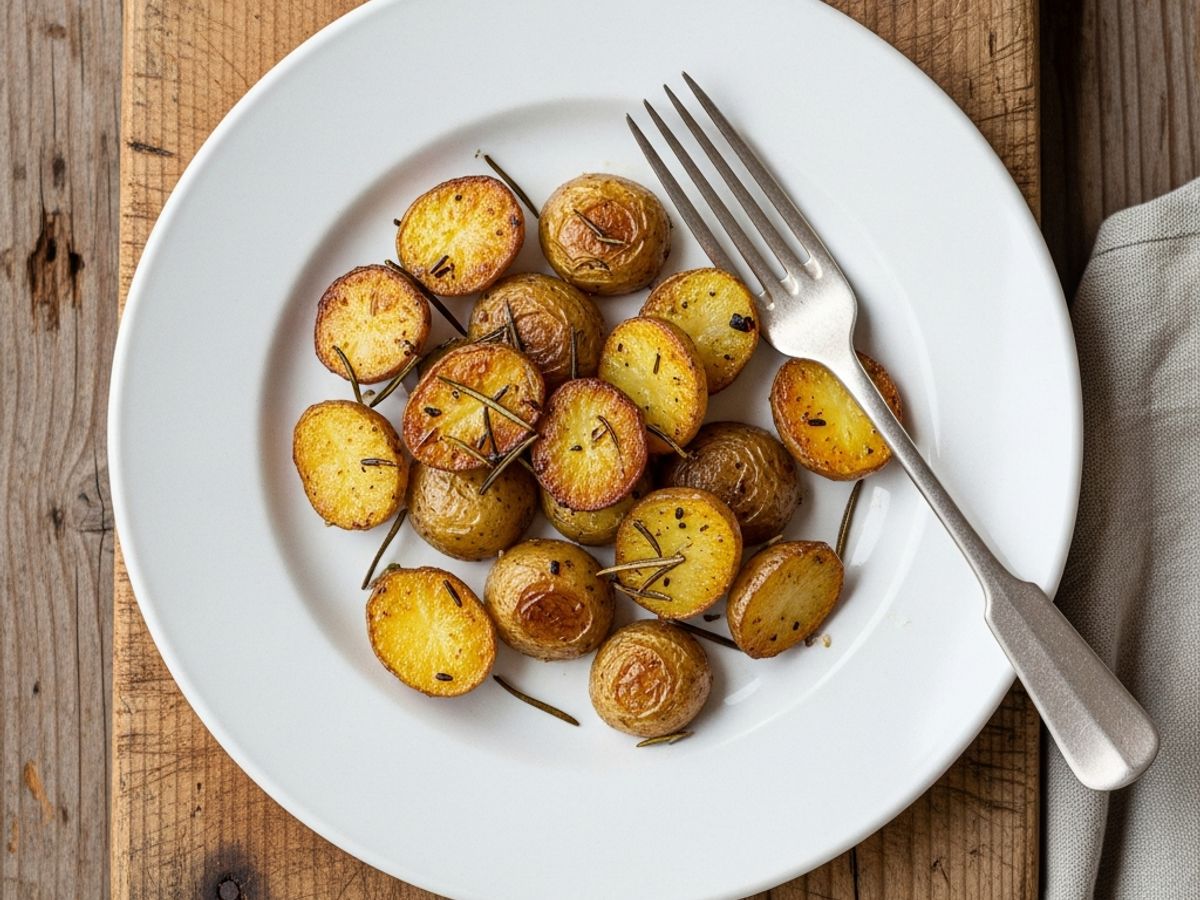
Low histamine roasted potatoes with olive oil, fresh rosemary, and sea salt.
Ingredients
- 2 pounds potatoes (Yukon Gold or red potatoes), cubed
- 3 tablespoons olive oil
- 1 tablespoon fresh rosemary, chopped
- 1/2 teaspoon sea salt
- Black pepper (optional)
Instructions
- Preheat your oven to 425°F (218°C).
- Cut the potatoes into 1-inch cubes. Keep the pieces uniform for even cooking.
- Toss the potatoes with olive oil, rosemary, salt, and pepper if using.
- Spread in a single layer on a large baking sheet. Do not overcrowd.
- Roast for 30-35 minutes, flipping once halfway through, until golden brown and crispy.
- Serve immediately.
Tips & Substitutions
- Yukon Golds crisp up beautifully. Red potatoes work well too. Russets get crispier but can dry out more.
- Don't overcrowd the pan or the potatoes will steam instead of roast. Use two baking sheets if needed.
- Fresh thyme works just as well as rosemary. Both are generally well tolerated.
- Whole garlic cloves roasted alongside are delicious if you tolerate garlic. Some people with histamine intolerance find garlic irritating, so test in a small amount first.
- Butter or ghee instead of olive oil gives a richer flavor if you tolerate dairy.
- Want crispier edges? Boil, smash, and roast them instead in these garlic smashed potatoes.
- Want a warm-spiced version? Toss the potatoes with turmeric instead of rosemary for golden turmeric roasted potatoes.
 Get the Histamine Recipes app
250+ low histamine recipes, every ingredient rated.


Why This Works
Potatoes. Naturally low in histamine and generally well tolerated. They're a filling, neutral base that pairs well with simple seasonings.
Olive oil. A fresh, unfermented fat commonly used in low histamine cooking. It helps the potatoes crisp up without introducing problematic ingredients.
Fresh rosemary. Fresh herbs are generally well tolerated and add bold flavor without the concentrated compounds found in some dried spice blends. Individual tolerance may vary.
Freshness. Cooking fresh potatoes yourself is always the best approach. Freshness matters more than food lists when managing histamine intolerance.
Storage
Best served immediately for the crispiest texture. Leftovers can be refrigerated in an airtight container and eaten within 24 hours. Reheat in a hot oven at 425°F (218°C) for 5-10 minutes to restore crispness rather than microwaving.
Not sure about an ingredient?
Histamine tolerance is personal, and most of working it out comes down to knowing where individual foods stand. Our low histamine food list rates 4,500+ foods and explains the reasoning behind each rating, including the foods whose level depends on how fresh they are or how they were stored. It is worth a look before you swap anything in this recipe.
Before you eat
A lot of people with histamine intolerance take a DAO enzyme supplement 15 to 30 minutes before a meal. DAO is the enzyme your body uses to break down the histamine in food, and taking it with meals supports that natural process. Curious how it works? See do DAO supplements actually work.
Affiliate link: if you buy through it, we may earn a commission at no extra cost to you. These statements have not been evaluated by the Food and Drug Administration. This product is not intended to diagnose, treat, cure, or prevent any disease.
For educational purposes only. Not medical advice. Consult a healthcare professional for personal guidance.
References
- Are Potatoes High in Histamine? — Histamine Doctor
- 19 Low Histamine Spices & Herbs (and How To Use Them) — Low Histamine Eats
- Hydroxytyrosol and oleuropein of olive oil inhibit mast cell degranulation induced by immune and non-immune pathways — Persia et al. (2014), Phytomedicine
- Histamine and histamine intolerance — Maintz & Novak (2007)
- Histamine Intolerance: The Current State of the Art — Comas-Basté et al. (2020)
- Biogenic Amines in Plant-Origin Foods: Are They Frequently Underestimated in Low-Histamine Diets? — Sánchez-Pérez et al. (2021)
- Diamine Oxidase Supplementation Improves Symptoms in Patients with Histamine Intolerance — Schnedl et al. (2019)
- Histamine Intolerance — A Comprehensive Review — Jochum (2024)