 Histamine Tracker
Sauteed Zucchini

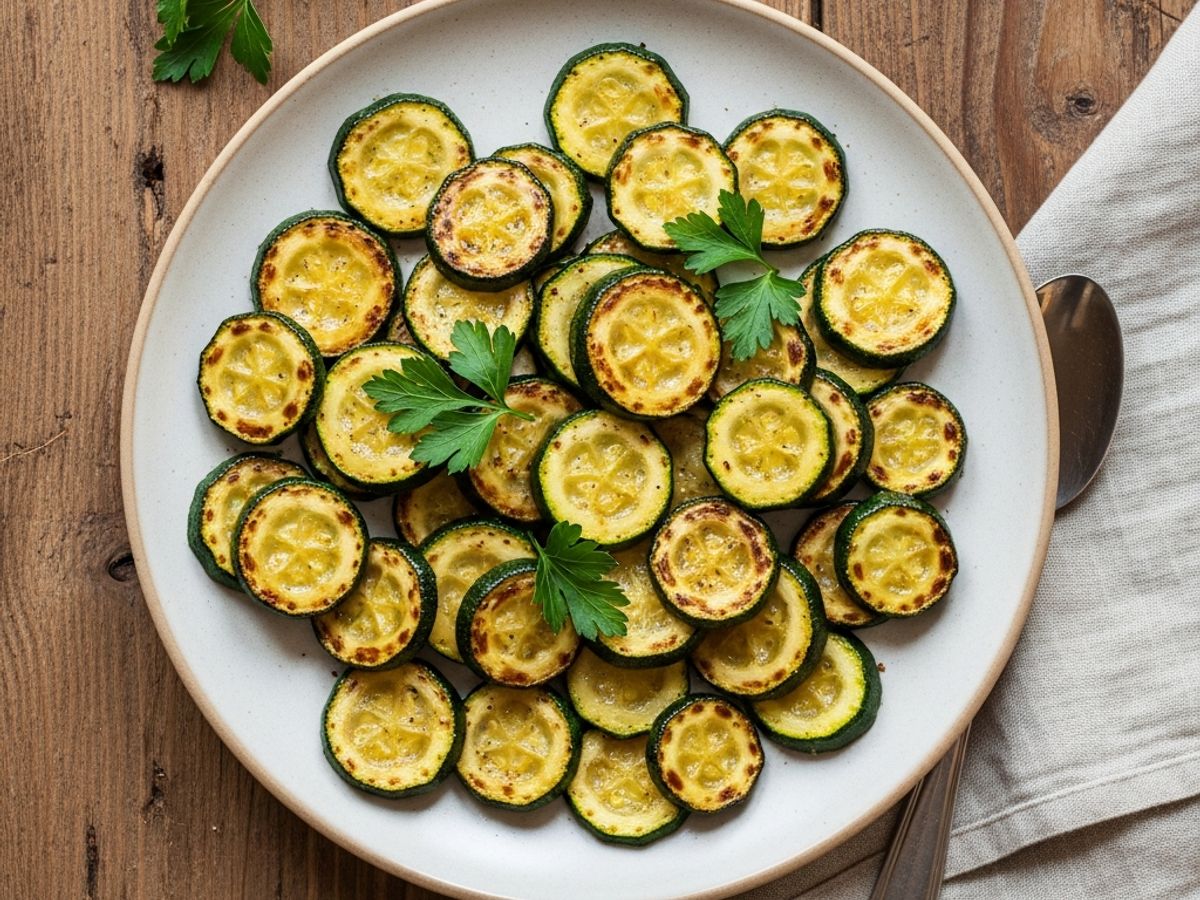
Low histamine sauteed zucchini with olive oil, garlic, sea salt, and fresh parsley.
Ingredients
- 2 medium zucchini, sliced into half-moons
- 2 tablespoons olive oil
- 2 cloves garlic, minced (optional)
- 1/4 teaspoon sea salt
- Black pepper (optional)
- Fresh parsley for garnish (optional)
Instructions
- Heat olive oil in a large skillet over medium-high heat.
- Add the garlic if using and cook for 30 seconds until fragrant.
- Add the zucchini in a single layer. Do not overcrowd. Work in batches if needed.
- Cook without stirring for 2-3 minutes until golden on the bottom.
- Stir and continue cooking for another 3-4 minutes until tender and lightly browned.
- Season with salt and pepper if using.
- Garnish with fresh parsley if desired. Serve immediately.
Tips & Substitutions
- Don't overcrowd the pan. Zucchini releases moisture, so a crowded pan steams instead of browns. Work in batches if needed.
- Medium-high heat is key. Low heat makes zucchini watery. You want a good sizzle when it hits the pan.
- Yellow summer squash works the same way. Swap it in for a slightly sweeter flavor with the same cook time.
- Skip the garlic if it bothers you. Garlic can act as a histamine liberator for some people. A pinch of dried oregano adds flavor without the risk.
- Add fresh herbs at the end. Basil, parsley, or chives tossed in after cooking keep their color and flavor.
- For a crispy, breaded version, turn zucchini into zucchini fries with a gluten-free cassava coating.
- For a pasta swap, spiralize the zucchini into zucchini noodles and cook them in the same skillet for about two minutes.
 Get the Histamine Recipes app
250+ low histamine recipes, every ingredient rated.


Why This Works
Zucchini. Naturally low in histamine and generally well tolerated. Using fresh zucchini and eating it soon after cooking helps minimize histamine concerns from storage.
Olive oil. A fresh, unfermented fat that is generally well tolerated on a low histamine diet. It provides healthy fats without the concerns of aged or processed oils.
Garlic (optional). Garlic adds flavor but can be irritating for some people with histamine intolerance, so individual tolerance varies. If you are unsure, skip it or try a small amount first.
Fresh parsley. Generally well tolerated and adds color and mild flavor without histamine concerns.
Storage
Best served immediately for the best texture and lowest histamine. Leftover cooked zucchini gets soft and watery, so it does not store well. If needed, refrigerate in an airtight container and eat within 24 hours.
Not sure about an ingredient?
Histamine tolerance is personal, and most of working it out comes down to knowing where individual foods stand. Our low histamine food list rates 4,500+ foods and explains the reasoning behind each rating, including the foods whose level depends on how fresh they are or how they were stored. It is worth a look before you swap anything in this recipe.
Before you eat
A lot of people with histamine intolerance take a DAO enzyme supplement 15 to 30 minutes before a meal. DAO is the enzyme your body uses to break down the histamine in food, and taking it with meals supports that natural process. Curious how it works? See do DAO supplements actually work.
Affiliate link: if you buy through it, we may earn a commission at no extra cost to you. These statements have not been evaluated by the Food and Drug Administration. This product is not intended to diagnose, treat, cure, or prevent any disease.
For educational purposes only. Not medical advice. Consult a healthcare professional for personal guidance.
References
- Is Zucchini Low Histamine? — Histamine Doctor
- Is Garlic High in Histamine? — Histamine Doctor
- Hydroxytyrosol and oleuropein of olive oil inhibit mast cell degranulation induced by immune and non-immune pathways — Persia et al. (2014), Phytomedicine
- Histamine and histamine intolerance — Maintz & Novak (2007)
- Histamine Intolerance: The Current State of the Art — Comas-Basté et al. (2020)
- Biogenic Amines in Plant-Origin Foods: Are They Frequently Underestimated in Low-Histamine Diets? — Sánchez-Pérez et al. (2021)
- Diamine Oxidase Supplementation Improves Symptoms in Patients with Histamine Intolerance — Schnedl et al. (2019)
- Histamine Intolerance — A Comprehensive Review — Jochum (2024)