

Low Histamine Breakfast Ideas
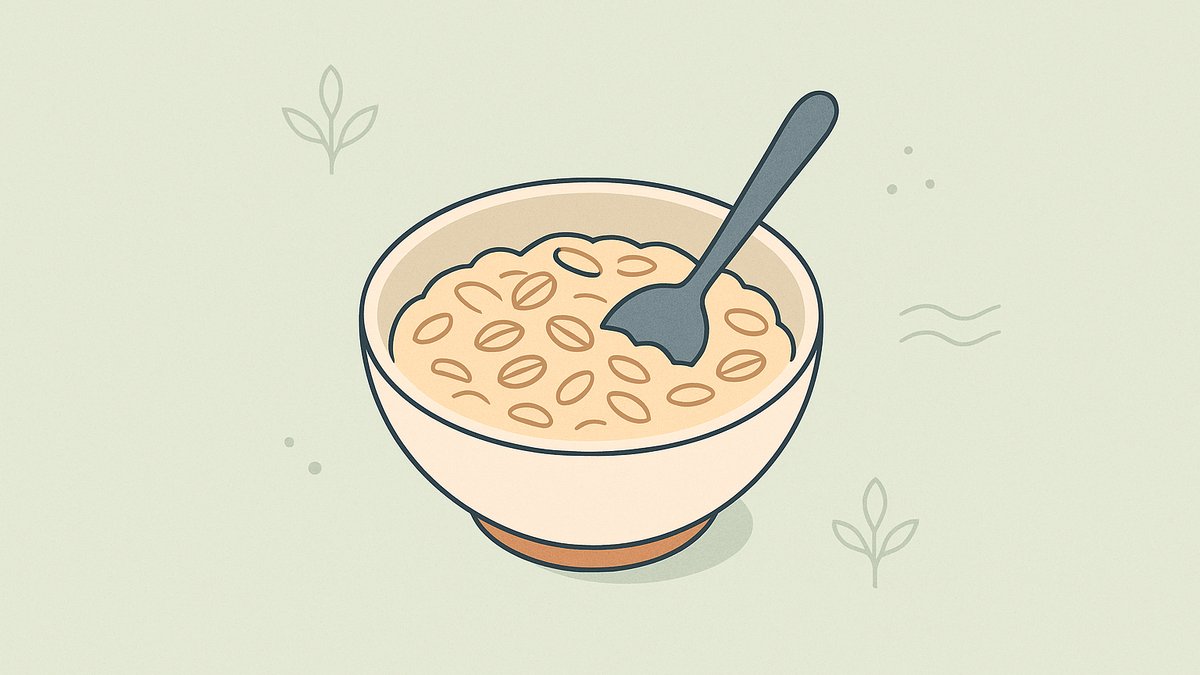
If you've been eating low histamine for a while, there's a good chance breakfast has become the most repetitive meal of your day. Eggs. More eggs. Eggs again tomorrow. It works, but it gets old fast.
When I first started figuring out I had an issue with histamine, breakfast felt easy. Eggs were safe, I could make them in ten minutes, and I didn't have to think about it. A few months later I was burnt out on them. I wanted variety without giving up the mornings where I actually felt decent after eating.
This post is what I've landed on. Not a strict menu, just a set of ideas that tend to work for people avoiding higher-histamine foods. Your tolerance will be different from mine, so treat this as a starting point.
Fresh vs fermented: why the clock matters for breakfast
A lot of classic breakfast foods are fermented, aged, or cured. Yogurt, aged cheese, cured bacon, breakfast sausage from the store, smoked salmon. These tend to be higher in histamine and other biogenic amines because of how they're made. Fermentation and aging are exactly the conditions that let biogenic amines accumulate.
Leftovers matter too. Eggs you cooked yesterday are not quite the same as eggs you cook this morning. Cooked protein foods stored in the fridge, especially meat and fish, can accumulate biogenic amines over time, and many people with histamine intolerance notice a difference between fresh and reheated. For breakfast, that usually means cooking protein fresh when you can. I know that's annoying at 7am. I'll get to shortcuts that don't involve pre-cooked protein.
For more on why this matters, see why freshness matters more than food lists.
Egg-based breakfasts (still versatile)
Eggs are the workhorse of low histamine breakfast, and for good reason. They're generally considered low in histamine, though some people still react to egg whites because eggs can act as a histamine liberator for sensitive individuals. If you tolerate them, the variety you can get from a carton of eggs is bigger than it looks.
A few directions I rotate through:
- Scrambled with fresh herbs and a side of roasted potatoes. Try scrambled eggs with thyme or parsley.
- Soft-boiled on toast. Soft-boiled eggs on rice or cassava bread takes five minutes.
- Fried eggs over sauteed greens. Kale, arugula, or chard work well. Fried eggs with greens is a go-to.
- Hash with eggs. Sweet potato hash or eggs, potatoes, and greens hits the spot on weekends.
- Egg muffins baked fresh. Egg muffins can be made in a batch, but the catch is that reheated eggs sit in the same leftovers trap. For me, smaller batches made the same morning work better than a big Sunday bake for the whole week.
For more on how eggs fit into histamine intolerance, see are eggs high in histamine.
 Get the free Beginner's Guide to Histamine Intolerance
Learn what histamine intolerance is, which foods to watch, and how to start finding your personal triggers. Plus practical tips and new recipes by email.
Non-egg hot breakfasts
This is the section I wish I'd found earlier. You can skip eggs entirely and still have a warm, filling breakfast.
Oatmeal. Certified gluten-free rolled oats cooked in water or coconut milk, topped with fresh blueberries, a drizzle of maple syrup, and cinnamon. Apple cinnamon oatmeal and oatmeal with fresh fruit are the ones I come back to. See is gluten high in histamine for more on where gluten fits in.
Pancakes and waffles. Made fresh from a gluten-free flour and egg batter, these feel like a real breakfast. Blueberry protein pancakes, rice flour pancakes, and cassava flour waffles all freeze well if you batch-make them and freeze them the day you cook them. Pull one out, toast it, and you have something kid-friendly in a few minutes.
Rice porridge. Simple, warm, and easy on the gut. Cook short-grain rice in extra water or coconut milk, sweeten with a little maple syrup, and top with cinnamon and fresh fruit. Breakfast quinoa porridge works the same way if you want to swap in quinoa for variety.
Breakfast hash without eggs. Potatoes, onion (if tolerated), and fresh herbs in a pan. Add a fresh-cooked protein if you eat meat in the morning, like homemade breakfast sausage patties made from fresh ground pork or turkey. Store-bought sausage is usually cured, which is a different story.
Potato fritters. Potato fritters are a nice change when you're tired of both eggs and oats.
Homemade granola. Not the store-bought kind loaded with dried fruit and preservatives. Toasted oats, nuts you tolerate, a little maple syrup, and cinnamon. Make granola on a Sunday and keep it sealed.
Quick breakfasts for busy mornings
The biggest problem with eating low histamine is that almost every convenient breakfast (yogurt cups, breakfast bars, bacon-and-egg sandwiches, frozen burritos) either uses aged dairy, cured meat, or ingredients that have been sitting around. Here's what actually works when you don't have twenty minutes.
- Homemade muffins, frozen fresh. Bake blueberry cassava muffins or similar, freeze them the same day, pull one out the night before.
- Pancakes or waffles from the freezer. Same idea. Batch, freeze immediately, toast in the morning.
- Oatmeal with frozen-fresh fruit. Freeze berries yourself when they're in season, or buy frozen (which is usually flash-frozen fresh and tends to work better than fridge-aged fresh fruit).
- Fresh fruit and nut butter. A pear or fresh apple with a spoon of almond butter. Simple, low effort.
- Coconut yogurt parfait. If you tolerate it, coconut yogurt parfait with fresh fruit is quick. Check the label for additives like guar gum or carrageenan, which bother some people.
- Chia seed pudding. Chia seed pudding made the night before is one of the few overnight options that tends to hold up, since it's not a protein-heavy food.
- A fresh-cooked egg. Not a batch of eggs from yesterday. Just one, fried or soft-boiled, on a slice of gluten-free toast or cassava bread. Faster than you'd think.
The pattern here: pre-baking carbs is fine, pre-cooking protein often isn't. Muffins, pancakes, and granola freeze beautifully. Eggs and meat don't do well as leftovers for people sensitive to histamine. For why, see why leftovers can trigger histamine symptoms.
Beverages that work
Morning drinks are their own tricky category.
Water. Boring, but a good place to start. Plain water or water with a slice of fresh cucumber.
Herbal tea. Ginger, chamomile, rooibos, and peppermint are usually fine for most people I've talked to. Blended teas are trickier, since they can include citrus peel, spices, or other herbs that some people react to. Check the ingredients and try one at a time.
Weak coffee, if you tolerate it. Coffee is complicated. Some people do fine, others don't. If you're figuring it out, a smaller cup of lightly brewed coffee is a more forgiving starting point than a strong double. See is coffee high in histamine for the longer take.
Fresh-squeezed apple or pear juice. Orange juice and other citrus juices are commonly reported as triggers in histamine intolerance, though the exact mechanism isn't fully settled. Apple and pear tend to be gentler for most people. Fresh-squeezed is worth the effort if you have the time. Bottled juices often include additives or preservatives that some people prefer to avoid.
Non-dairy milk. I avoid dairy entirely, which is common for people with histamine issues since dairy often triggers symptoms on its own. See is dairy high in histamine. Unsweetened coconut milk, oat milk, or rice milk (checking for additives) are what I use instead.
What to order (or avoid) eating breakfast out
Travel and hotel breakfasts were where I used to come unstuck the most. A plate of bacon, yogurt parfait, and orange juice is basically a worst-case scenario for histamine.
A rough guide for what tends to work at a hotel or diner breakfast:
Usually fine
- Plain eggs, cooked to order (not scrambled off a buffet tray that's been sitting)
- Oatmeal, ideally plain, with a side of fresh fruit or a splash of maple syrup
- Fresh fruit, picked from the whole ones rather than pre-cut containers
- Plain boiled or roasted potatoes
- Gluten-free toast if available
Usually worth avoiding
- Bacon and sausage (cured, aged)
- Butter, cheese, and anything else with dairy
- Yogurt parfaits
- Orange juice and other citrus juices
- Smoked salmon
- Mass-produced pastries with preservatives and long shelf lives
- Regular bread, pancakes, and waffles (gluten)
The trick with a buffet is that the food has often been sitting out. Anything cooked to order is a better bet than anything scooped from a warming tray. Asking for "two eggs over easy, fresh" is usually well within what a kitchen can handle, even at a basic hotel.
For a broader list of what to watch out for, see foods with high histamine levels.
The strategy that actually works
After a lot of trial and error, this is roughly what my breakfast week looks like:
- Weekdays: rotating oatmeal, a fresh-cooked egg on toast, or a pancake from the freezer with fresh fruit.
- Weekends: a bigger hash, waffles, or something more involved.
- Batch cooking: pancakes, waffles, muffins, and granola go in the freezer the day I make them. Eggs and meat get cooked fresh each morning.
- Travel: I stick to plain eggs, oatmeal, and fresh fruit. Skip the rest of the buffet.
You'll find your own rotation. The point is just that you don't have to eat the same scrambled eggs every day forever. For more ideas, browse the full low histamine breakfast recipes. Logging what you eat for breakfast and how you feel an hour or two later tends to clarify which of these actually work for your body, which is the only test that matters in the end.
Get the free Beginner's Guide to Histamine Intolerance
Learn what histamine intolerance is, which foods to watch, and how to start finding your personal triggers. Plus practical tips and new recipes by email.
Related articles
For educational purposes only. Not medical advice. Consult a healthcare professional for personal guidance.
References
- A review of biogenic amines in fermented foods: Occurrence and health effects — Costa et al. (2024)
- Biogenic Amines in Meat and Meat Products — Gagaoua et al. (2022)
- Histamine and Other Biogenic Amines in Food — Comas-Basté et al. (2020)