

Best Method for Freezing Foods with Histamine Intolerance
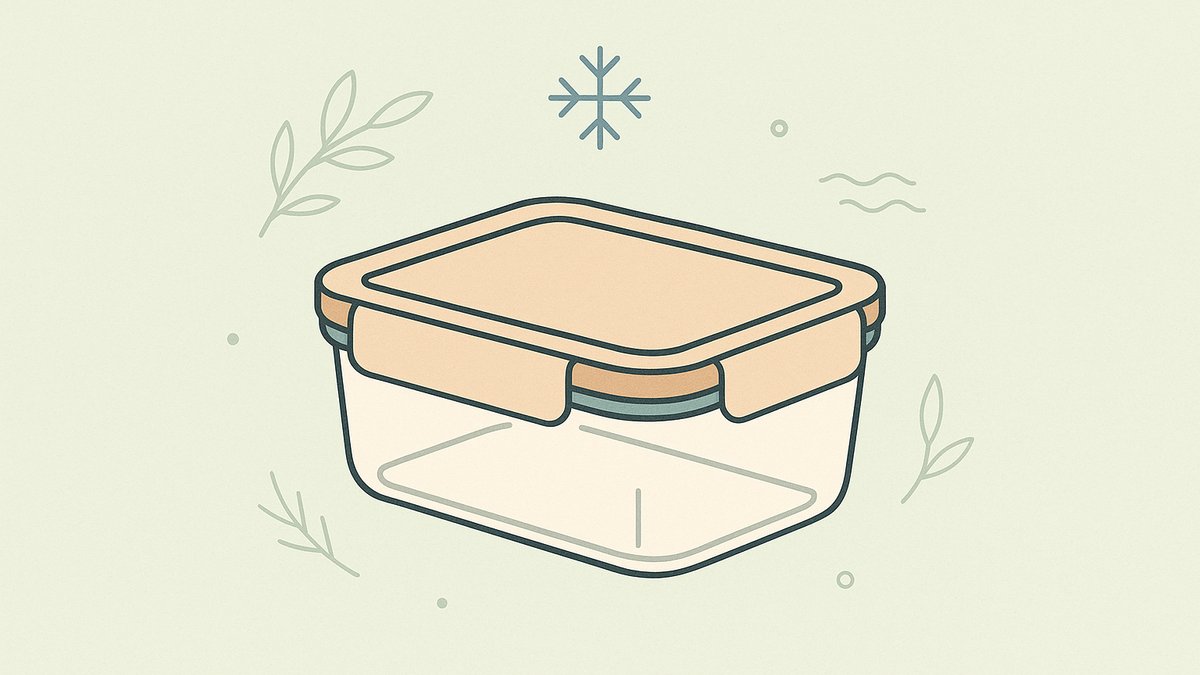
If you have histamine intolerance, leftovers are a problem. The food that was fine at dinner can wreck you the next day. For a long time I assumed cooking bigger batches would save me time without any real downside. It didn't. I'd make a nice meal, eat half of it fresh, and pay for the other half 24 hours later.
Freezing is the workaround that actually holds up. But only if you do it a specific way. Tossing leftovers into the freezer after they sat in the fridge for two days is a waste of freezer space. By that point, the histamine is already in there, and freezing just locks it in.
This post walks through the method I use: when to freeze, what freezes well, what doesn't, and how to thaw without undoing the whole effort.
Why freezing helps (but doesn't solve everything)
Histamine builds up in food as it sits. Bacteria in the food produce it, and they do it faster when food is warm and slower when it's cold. Protein-heavy foods like meat, fish, and broths are the usual suspects because they give bacteria the most to work with.
The rough picture:
- On the counter. Histamine can build up fast, within a few hours.
- In the fridge. Slower, but not stopped. It keeps creeping up over a day or two, especially in protein-heavy foods.
- In the freezer. Basically paused. New histamine stops forming once the food is properly frozen.
That last point is why freezing is useful. It pauses the process.
What it does not do is remove histamine that already formed. Histamine is heat-stable and cold-stable. You can't cook it out, you can't freeze it out, and reheating doesn't break it down either. Whatever histamine was present when you froze the food is still there when you thaw it.
So freezing is not a do-over for old leftovers. It's a way to catch a meal at its freshest point and hold it there.
For more background on why storage time matters so much, see why leftovers can trigger histamine symptoms and why freshness matters more than food lists.
The 1-2 hour window after cooking
This is the most important part of the method. If you only remember one thing from this post, make it this.
The sooner you freeze cooked food, the less histamine it will have when you eat it later. Every hour it sits at room temperature or cooling on the stove is another hour bacteria have to do their work. Every hour in the fridge before freezing is the same story, just slower.
My rule: get hot food into the freezer within one to two hours of cooking.
That doesn't mean scooping boiling soup into a container and slamming it into the freezer. You want to cool it quickly first, then freeze. The goal is to get it through the "danger zone" fast, where bacteria are most active.
A few tricks that help:
- Portion while hot. Dividing a pot of soup into four smaller containers cools much faster than one big container.
- Use shallow, wide containers. A thin layer of food loses heat faster than a deep one.
- Place small, shallow portions in the fridge with the lid resting loosely for 20 to 30 minutes first. Once it's no longer steaming, seal and move to the freezer. Don't do this with a big pot of hot food, which will warm up the fridge.
- Spread rice or grains on a sheet pan to cool. Then transfer to a freezer bag.
If you cooked dinner at 7 and you're still thinking about leftovers at 10, get them in the freezer. Don't plan to "deal with it in the morning." By morning, you've already lost the benefit.
 Get the free Beginner's Guide to Histamine Intolerance
Learn what histamine intolerance is, which foods to watch, and how to start finding your personal triggers. Plus practical tips and new recipes by email.
Foods that freeze well for histamine intolerance
Not everything freezes equally well, and some foods that are common in general meal prep are bad ideas for histamine intolerance no matter what.
Foods I've had good results freezing, as long as I freeze them flash-fresh:
- Cooked poultry (chicken, turkey). Holds up well for roughly two to three months. Poach or roast, cool quickly, portion, freeze.
- Cooked red meat. Two to three weeks is a safer window. Red meat tends to be more reactive for me than poultry, so I keep portions smaller and cycle through them faster.
- Cooked rice and other plain grains. Freeze flat in single portions. Reheats well from frozen.
- Cooked vegetables. Roasted squash, carrots, zucchini, green beans, and similar vegetables freeze fine. Flash-freeze on a tray first if you want them separate rather than clumped.
- Homemade broths. Freeze in silicone cubes or small containers. Broth is one of the things I freeze the most because it's otherwise a high-risk leftover.
- Fresh fruit at peak freshness. Berries, mango chunks, and peach slices freeze well when they're fresh, not overripe. Freeze on a tray, then bag.
- Baked goods. Pancakes, muffins, and bread made with low-histamine ingredients freeze well and reheat without much change.
Any of these should still be tested against your own tolerance. Freezing is a tool, not a guarantee.
Foods to be careful with
Some foods I don't freeze at home, regardless of technique.
- Fish and seafood cooked at home. Fish is the classic histamine food. Unless you bought it extremely fresh and cooked it the same day, it probably already has more histamine than other proteins. Freezing after cooking locks that in. Commercial fish that was flash-frozen at sea is a different story, but that's not what's happening with home leftovers.
- Anything that already spent a day or two in the fridge. At that point, the histamine is already there. Freezing just preserves it. I'd rather compost it and move on.
- Overripe fruit. Riper fruit tends to have more biogenic amines. Freezing doesn't change that. If it's getting close to turning, it's not a freezer rescue candidate.
- Dairy, especially anything fermented. Yogurt, aged cheese, and similar foods are already histamine-heavy. Freezing them is both texturally bad and unhelpful.
- Dishes loaded with high-histamine ingredients. Tomato-heavy sauces, dishes with aged cheese, anything fermented. The freezer doesn't change what's in the food. For a broader list of what to watch for, see foods with high histamine levels.
- Slow-simmered bone broths that ran for many hours. Broths can be tricky. A long simmer extracts a lot from bones, and for some people the result is more reactive than a short-simmered broth. If bone broths bother you fresh, freezing won't help.
The theme across all of this: the freezer is a pause button for what's already there. It can't fix a food that was already high-histamine before you froze it.
Step-by-step freezing technique
Here's the full method I use for a typical cooked meal.
- Cook. Pull from the heat the moment it's done. Overcooked meat sitting on warm burners is just more time for bacteria to work.
- Portion immediately into single or 2 to 3 serving sizes. Smaller portions cool faster and mean you thaw only what you'll eat.
- Cool quickly using shallow containers. If a container is more than two inches deep, I split it up. A thin layer cools much faster than a thick one.
- Place containers uncovered in the fridge for 20 to 30 minutes. This drops the temperature fast without warming up the fridge too much. Don't leave them on the counter to cool slowly.
- Cover with an airtight lid once no longer steaming. Glass containers with silicone lids, silicone bags, or vacuum sealer bags all work. The goal is to keep air out so the food doesn't get freezer burn.
- Label with the date and what's inside. I use a piece of masking tape and a marker. Future-you will not remember what's in the unlabeled container.
- Freeze flat when possible. Bags laid flat freeze faster than blocks and stack better. For soups and broths, a flat-frozen bag thaws much faster than a round container.
- Keep the freezer at 0°F (-18°C) or colder. Most home freezers are fine, but if your freezer is overstuffed or the door gets opened constantly, temperatures rise. A cheap freezer thermometer is worth it.
For timing, I use these rough limits:
- Cooked poultry: up to 2 to 3 months
- Cooked red meat: 2 to 3 weeks for best tolerance
- Cooked vegetables: up to 3 months
- Broths: 2 to 3 months
- Cooked grains: 1 to 2 months
- Fresh fruit (frozen raw at peak): up to 6 months
These are tighter than general USDA freezer guidelines because general guidelines are about food safety, not histamine sensitivity. Longer freezing doesn't add histamine once the food is at 0°F, but freezer burn, oxidation, and quality changes can affect how the food tastes and how your body responds to it.
Thawing and reheating safely
You can do everything right up to this point and undo it all in the thaw.
Thaw in the fridge. Always. Leaving frozen food on the counter restarts the histamine production the moment it crosses back into the danger zone. Same with warm water baths. A cold water bath with the food in a sealed bag or airtight container (in the sink, changing water every 30 minutes) is acceptable if you need speed, but the fridge is safer.
For most portions, I move them from the freezer to the fridge the night before. Small portions thaw in a few hours. Soups and broths take longer.
Reheat fully to steaming, then eat. Reheating kills bacteria, which is good. It does not break down histamine that already formed, which is why the freshness of the original food matters so much.
Don't refreeze. Once something has thawed and sat at fridge temperature, refreezing just locks in whatever histamine accumulated while it was thawed. This is why I freeze in small portions. I'd rather pull two small containers than one big one and be forced to refreeze the rest.
Eat soon after thawing. Same-day ideally. Not "I'll finish it tomorrow." You're back on the leftover clock the moment it thaws, and a thawed-then-refrigerated meal will accumulate histamine the same way any other refrigerated meal does.
Individual tolerance still varies
One honest caveat. Some people with histamine intolerance react to all frozen leftovers, no matter how carefully they're prepared. The freezer reduces histamine buildup, but it doesn't eliminate other factors like the amines that formed during cooking, the natural biogenic amines in certain ingredients, or the state of your own histamine bucket on a given day.
If you've tried flash-freezing and you still react, a few things to consider:
- Try smaller portions first. A few bites will tell you if something is off before you've eaten a full meal.
- Test one frozen meal at a time. Not a day of frozen meals stacked together. You want to know what's doing what.
- Pay attention to timing. Reactions can show up hours later, not right away. Tracking helps catch delayed patterns. See how to track histamine symptoms effectively.
- Consider the protein difference. Some people freeze cooked veggies, grains, and broths fine but can't tolerate frozen cooked meat. That's a reasonable place to draw your own line.
- Stay in an elimination phase a bit longer before reintroducing frozen foods. If your baseline is still high, frozen leftovers are a harder test.
Frozen meals have made histamine intolerance much more workable for me, but they're not the same as fresh. On a bad week, I'll skip the freezer entirely and cook smaller fresh portions instead. On a normal week, having chicken, rice, veggies, and broth ready in the freezer is the difference between eating well and eating whatever's around.
Putting it together
The short version of the method:
- Freeze within 1 to 2 hours of cooking.
- Cool quickly in shallow containers, then move to the freezer.
- Portion small, seal airtight, label with the date.
- Thaw only in the fridge. Never the counter.
- Reheat to steaming. Don't refreeze. Eat soon.
- Stick to foods that were fresh when you cooked them. The freezer doesn't fix old food.
Done this way, freezing is one of the few real shortcuts you get with histamine intolerance. It takes a little extra effort up front, but you get back meals you can actually trust later, which is worth a lot. For meal ideas that reheat well, see our low histamine recipes.
Get the free Beginner's Guide to Histamine Intolerance
Learn what histamine intolerance is, which foods to watch, and how to start finding your personal triggers. Plus practical tips and new recipes by email.
Related articles

For educational purposes only. Not medical advice. Consult a healthcare professional for personal guidance.
References
- Histamine and Other Biogenic Amines in Food — Comas-Basté et al. (2020)
- Influence of Storage Temperature and Freezing Time on Histamine Level in the European Anchovy — Veciana-Nogués et al. (2005)
- Risk Assessment of Histamine in Chilled, Frozen, Canned and Semi-Preserved Fish — El Hariri et al. (2018)