 Histamine Tracker
Rice Flour Pancakes

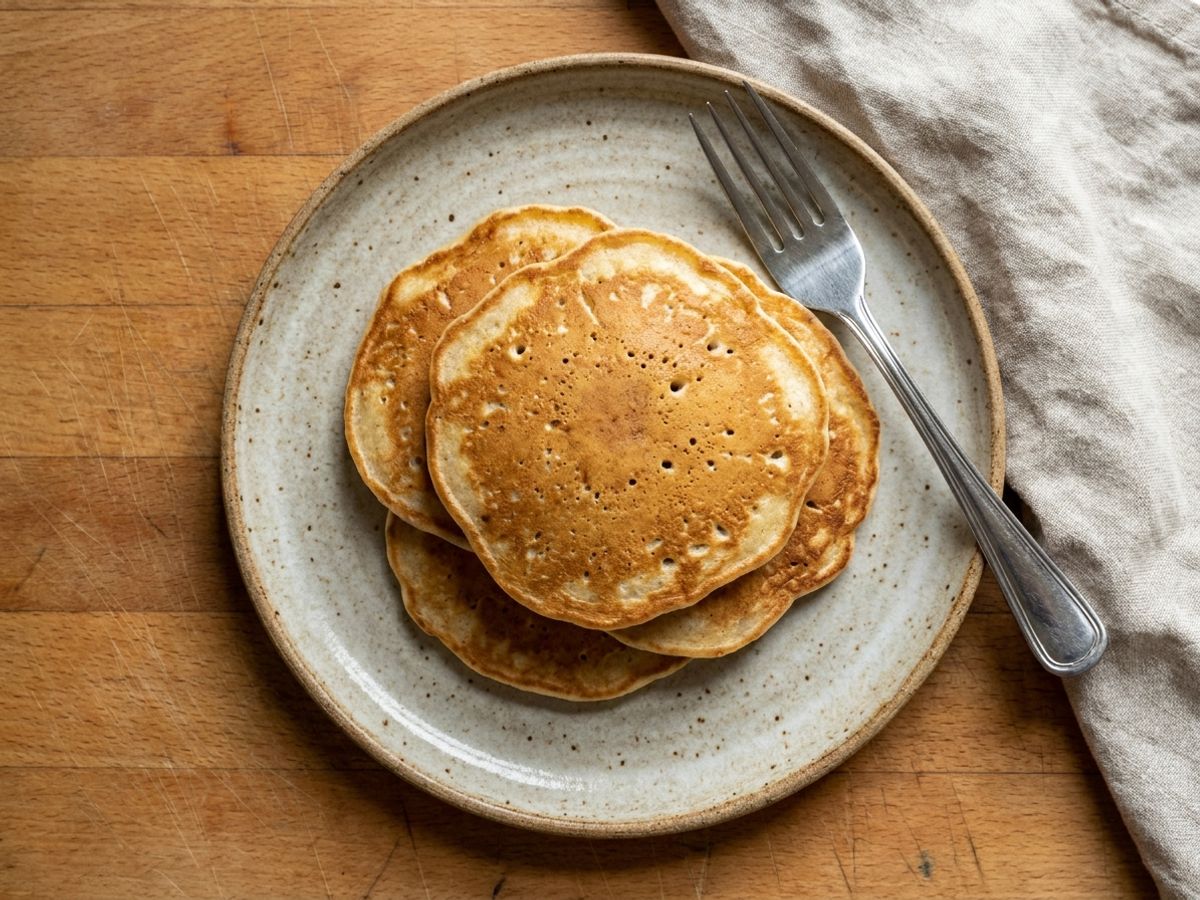
Low histamine pancakes made with white rice flour, arrowroot starch, egg, coconut milk, and maple syrup.
Ingredients
- 1 cup white rice flour
- 2 tablespoons arrowroot starch
- 1 1/2 teaspoons baking powder (aluminum-free preferred)
- 1 tablespoon maple syrup
- 1/4 teaspoon sea salt
- 1 fresh egg
- 3/4 cup coconut milk (full-fat, additive-free)
- 2 tablespoons coconut oil, melted, plus more for cooking
- 1/2 teaspoon vanilla powder (optional)
Instructions
Mix
- In a large bowl, whisk together the rice flour, arrowroot starch, baking powder, and salt.
- In a separate bowl, whisk the egg, then add the coconut milk, melted coconut oil, maple syrup, and vanilla powder if using.
- Pour the wet ingredients into the dry ingredients and stir until just combined. The batter should be pourable but not runny. Add 1 tablespoon more coconut milk if it feels too thick.
- Let the batter rest for 5 minutes while the pan heats. This helps the rice flour hydrate.
Cook
- Heat a non-stick pan or griddle over medium-low heat.
- Add about 1 teaspoon of coconut oil and let it melt.
- Pour about 3 tablespoons of batter per pancake onto the pan.
- Cook until small bubbles form, the edges look set, and the top looks mostly matte, about 3 minutes. Rice flour batters show fewer bubbles than wheat, so check the underside for a golden color.
- Flip carefully and cook another 2 minutes until golden brown.
- Repeat with remaining batter, adding more oil as needed.
- Serve warm with a drizzle of maple syrup and fresh blueberries or sliced pear.
Tips & Substitutions
- Medium-low heat is key. Rice flour browns faster than wheat flour, so a gentler heat keeps the pancakes from burning before the centers cook through.
- Eggs are a common trigger for some people with histamine intolerance, often the whites. If eggs bother you, try 2 yolks instead of 1 whole egg, or use the egg-free option below.
- For an egg-free version, use a flax egg if tolerated. Mix 1 tablespoon ground flaxseed with 3 tablespoons water and let sit for 5 minutes before adding.
- Use vanilla powder, not alcohol-based extract, if alcohol is a trigger for you.
- Brown rice flour works too. It gives a nuttier, slightly heartier pancake. Use the same amount.
- Check your coconut milk label. Some brands add guar gum or carrageenan, which can bother sensitive people. Look for ones with just coconut and water.
- Top with warm caramelized apples. A spoonful of caramelized apples turns a simple stack into a fuller breakfast without any syrup.
 Get the Histamine Recipes app
250+ low histamine recipes, every ingredient rated.


Why This Works
Rice flour. Naturally gluten-free and generally well tolerated. It produces a light, soft texture without the issues of wheat.
Coconut milk. A creamy, dairy-free liquid that works well as a buttermilk substitute. Check labels for additives like guar gum or carrageenan.
Fresh egg. Eggs are not typically high in histamine, though some people with histamine intolerance react to them, often the whites. Yolks alone are an option for those who are sensitive.
Arrowroot starch. A gentle, easily digested starch that helps with structure and a slightly crisp edge. Generally well tolerated.
Maple syrup. A natural sweetener that is generally well tolerated. It does not involve fermentation or aging and adds a subtle warmth to the batter.
Storage
These are best eaten fresh off the pan. For meal prep, cool completely on a wire rack, then freeze in a single layer the same day, with parchment between each pancake. Reheat from frozen in a toaster or at 350°F (175°C) in the oven for 5-8 minutes. Avoid refrigerating for more than a day, as histamine can build in leftovers over time.
Not sure about an ingredient?
Histamine tolerance is personal, and most of working it out comes down to knowing where individual foods stand. Our low histamine food list rates 4,500+ foods and explains the reasoning behind each rating, including the foods whose level depends on how fresh they are or how they were stored. It is worth a look before you swap anything in this recipe.
Before you eat
A lot of people with histamine intolerance take a DAO enzyme supplement 15 to 30 minutes before a meal. DAO is the enzyme your body uses to break down the histamine in food, and taking it with meals supports that natural process. Curious how it works? See do DAO supplements actually work.
Affiliate link: if you buy through it, we may earn a commission at no extra cost to you. These statements have not been evaluated by the Food and Drug Administration. This product is not intended to diagnose, treat, cure, or prevent any disease.
For educational purposes only. Not medical advice. Consult a healthcare professional for personal guidance.
References
- Low Histamine Rice Flour Pancakes — Low Histamine Baby
- Low Histamine Pancakes: Dairy Free Pancake Recipe — The Allergy Chef
- Are Eggs High in Histamine? — Histamine Doctor
- Histamine and histamine intolerance — Maintz & Novak (2007)
- Histamine Intolerance: The Current State of the Art — Comas-Basté et al. (2020)
- Biogenic Amines in Plant-Origin Foods: Are They Frequently Underestimated in Low-Histamine Diets? — Sánchez-Pérez et al. (2021)
- Diamine Oxidase Supplementation Improves Symptoms in Patients with Histamine Intolerance — Schnedl et al. (2019)
- Histamine Intolerance — A Comprehensive Review — Jochum (2024)