 Histamine Tracker
Stewed Apples

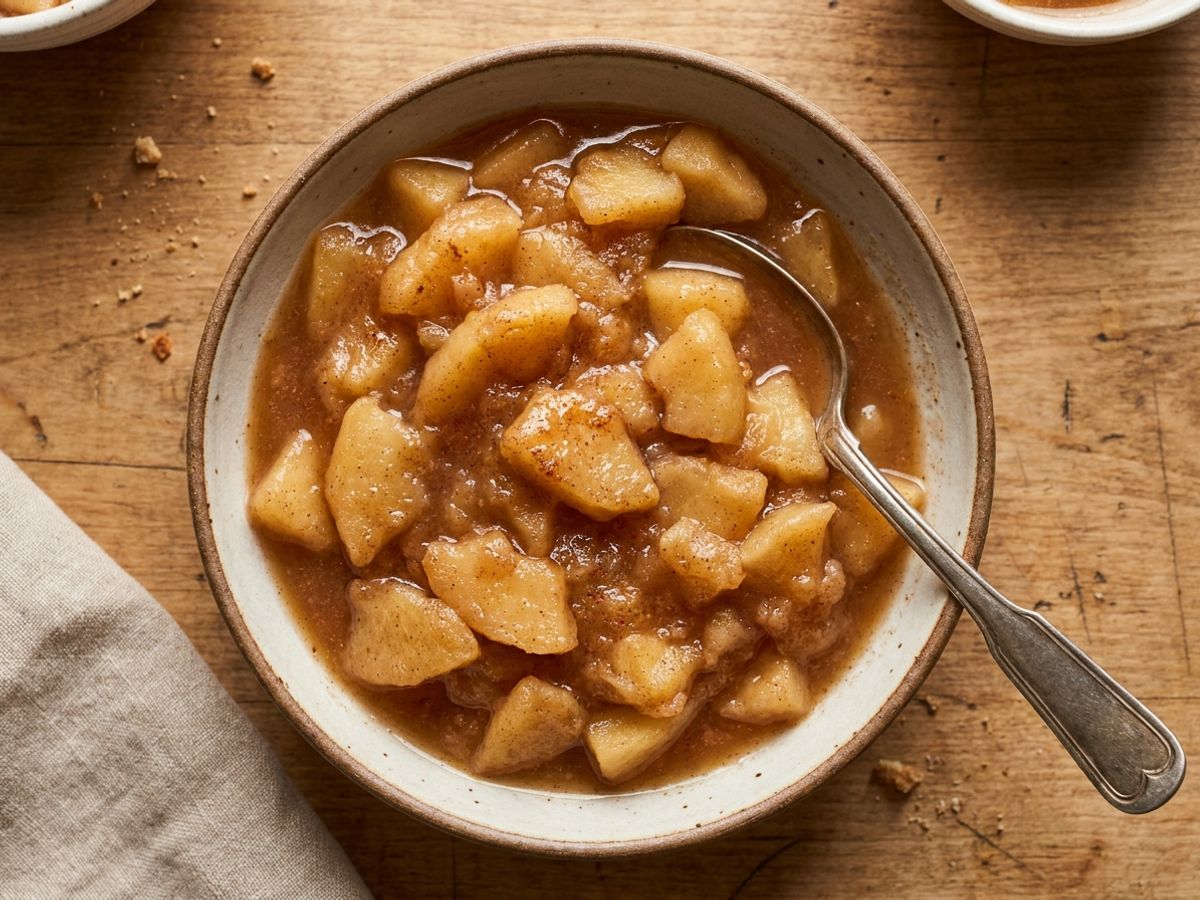
Low histamine stewed apples simmered with water, maple syrup, cinnamon, and vanilla.
Ingredients
- 4 medium apples (such as Honeycrisp, Gala, or Fuji)
- 1/4 cup water
- 1 tablespoon pure maple syrup
- 1/2 teaspoon ground cinnamon
- 1/8 teaspoon vanilla powder (optional)
- Pinch of sea salt
Instructions
- Peel and core the apples, then cut into 1/2-inch dice.
- Add the apples, water, maple syrup, cinnamon, and salt to a small saucepan and stir to combine.
- Bring to a gentle simmer over medium heat, then reduce to medium-low.
- Cover and cook for 12 to 15 minutes, stirring occasionally, until the apples are very soft. Add a splash more water if the pan looks dry.
- For a chunky compote, mash lightly with the back of a spoon. For a smoother sauce, mash more thoroughly or blend.
- Stir in the vanilla powder if using. Serve warm.
Tips & Substitutions
- Use fresh, firm apples. Choose crisp apples with no soft or bruised spots. Firmer varieties hold up better as they simmer and keep the compote from turning watery.
- Cinnamon swap. Some people with histamine intolerance find cinnamon a trigger, while others tolerate it well. If you are sensitive, use a pinch of ground cardamom or ginger instead. Both give a warm flavor and are often better tolerated.
- Adjust the texture. Leave it chunky for a compote-style topping, or mash and blend it fully for a smooth applesauce. A splash more water loosens it either way.
- Serve it over breakfast. This is lovely spooned over German pancakes, stirred into oatmeal with fresh fruit, or layered with dairy-free coconut yogurt.
- Sweeten to taste. Sweeter apples may need no maple at all. Tart apples like Granny Smith usually want a little more. Honey works in place of maple if you are not keeping it vegan.
 Get the Histamine Recipes app
250+ low histamine recipes, every ingredient rated.


Why This Works
Fresh apples. Apples are generally considered low histamine and well tolerated, and freshly cooked fruit eaten soon after preparing it is the safest approach. Cooking softens the apples, and gently cooked fruit is easier on digestion for some people. Peeling the apples here gives the smoothest compote. If you want to keep the quercetin found in apple skin, a compound sometimes discussed in mast cell research, leave the peels on and blend the compote smooth instead.
Cinnamon. Cinnamon adds warmth without adding much histamine risk for most people, but it can act as a trigger for sensitive individuals. If that is you, cardamom or ginger are gentler alternatives that work just as well here.
Maple syrup. A small amount of pure maple syrup is generally well tolerated and enough to round out the tartness of the apples. Use it sparingly, since less added sugar is usually better on a low histamine diet.
Gentle simmering. Simmering the apples in a little water keeps the method simple and the ingredient list short. Making a fresh batch and eating it warm means no fermentation and no long storage.
Storage
Stewed apples keep in an airtight container in the refrigerator for a few days. Reheat gently on the stovetop or in the microwave with a splash of water to loosen. If you are very sensitive to histamine, make only what you will eat within a day or two and enjoy it fresh.
Not sure about an ingredient?
Histamine tolerance is personal, and most of working it out comes down to knowing where individual foods stand. Our low histamine food list rates 4,500+ foods and explains the reasoning behind each rating, including the foods whose level depends on how fresh they are or how they were stored. It is worth a look before you swap anything in this recipe.
Before you eat
A lot of people with histamine intolerance take a DAO enzyme supplement 15 to 30 minutes before a meal. DAO is the enzyme your body uses to break down the histamine in food, and taking it with meals supports that natural process. Curious how it works? See do DAO supplements actually work.
Affiliate link: if you buy through it, we may earn a commission at no extra cost to you. These statements have not been evaluated by the Food and Drug Administration. This product is not intended to diagnose, treat, cure, or prevent any disease.
For educational purposes only. Not medical advice. Consult a healthcare professional for personal guidance.
References
- Super Easy Stewed Apples in 15 Minutes — Low Histamine Eats
- Low Histamine Apple Pie Recipe — MastCell360
- Cardamom Apple Crisp — Through The Fibro Fog
- Histamine and histamine intolerance — Maintz & Novak (2007)
- Histamine Intolerance: The Current State of the Art — Comas-Basté et al. (2020)
- Biogenic Amines in Plant-Origin Foods: Are They Frequently Underestimated in Low-Histamine Diets? — Sánchez-Pérez et al. (2021)
- Diamine Oxidase Supplementation Improves Symptoms in Patients with Histamine Intolerance — Schnedl et al. (2019)
- Histamine Intolerance — A Comprehensive Review — Jochum (2024)