 Histamine Tracker
Pumpkin Pie

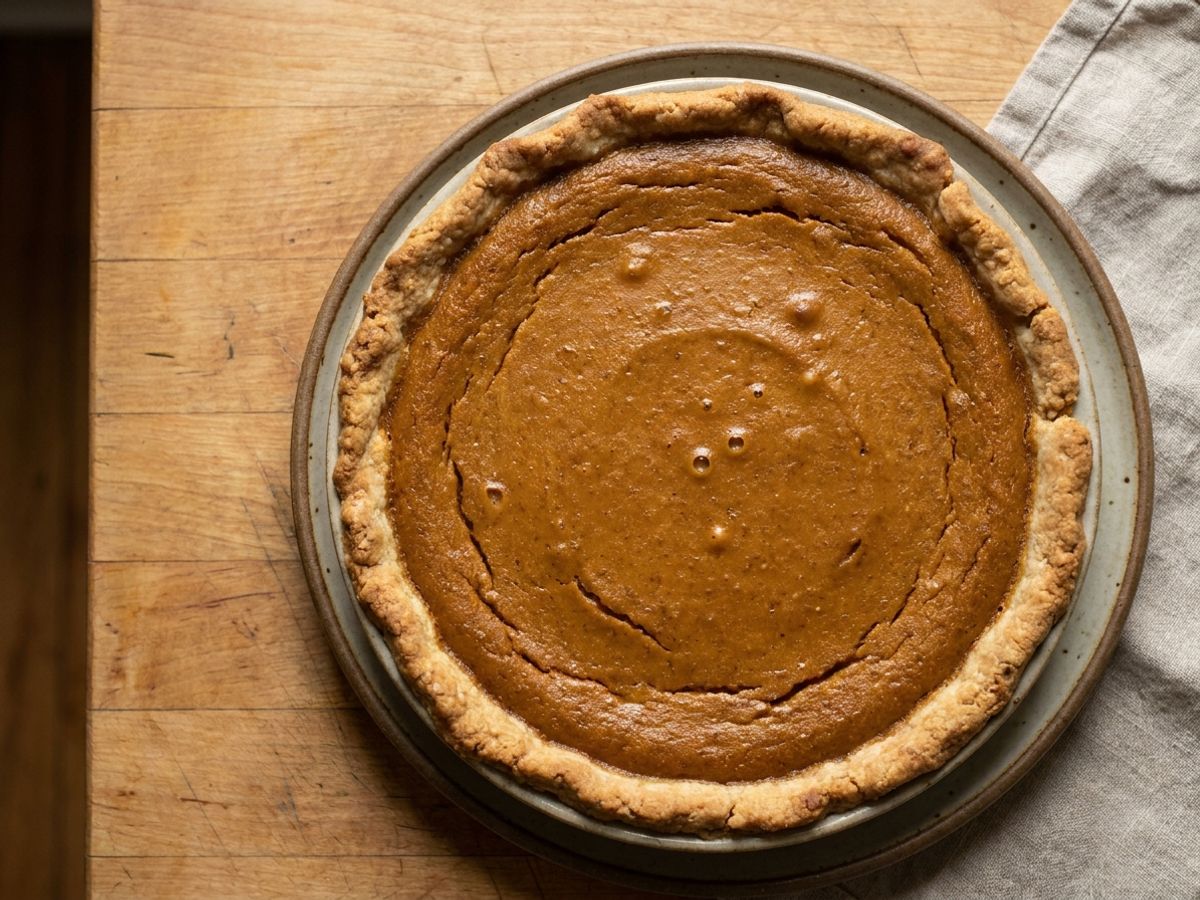
A low histamine pumpkin pie with a gluten-free cassava crust, pumpkin puree, coconut milk, maple syrup, and cinnamon.
Ingredients
Crust
- 1 1/2 cups cassava flour, plus extra for rolling
- 1/2 teaspoon fine sea salt
- 1/2 cup coconut oil, solid but soft (not melted)
- 4 to 6 tablespoons cold water
Filling
- 1 (15 oz) can pumpkin puree (additive-free) or 1 3/4 cups fresh pumpkin puree
- 1 (13.5 oz) can full-fat coconut milk
- 3 egg yolks
- 1/3 cup pure maple syrup
- 1 1/2 teaspoons ground cinnamon
- 1/2 teaspoon ground ginger
- 1/2 teaspoon ground cardamom
- 1/4 teaspoon fine sea salt
Instructions
Make the Crust
- In a large bowl, whisk together the cassava flour and salt.
- Add the soft coconut oil and use a pastry cutter or your fingers to work it into the flour until the mixture looks like coarse crumbs.
- Add 4 tablespoons of cold water and stir gently. Add more water a tablespoon at a time until the dough comes together when pressed. Cassava flour absorbs liquid differently than wheat flour, so go slowly.
- Flatten the dough into a disc, wrap in parchment, and refrigerate for at least 20 minutes.
Roll and Fit the Crust
- Preheat the oven to 425°F (220°C).
- Place the chilled disc between two sheets of parchment and roll out into a circle about 12 inches across. Cassava dough is more delicate than wheat dough, so work gently.
- Peel off the top parchment, flip the dough into a 9-inch pie dish, and peel off the second sheet. Press any cracks back together with your fingers and trim excess from the edges.
Make the Filling
- In a large bowl, whisk the egg yolks until smooth.
- Whisk in the pumpkin puree, maple syrup, cinnamon, ginger, cardamom, and salt until evenly combined.
- Gradually whisk in the coconut milk until the filling is smooth.
Bake
- Pour the filling into the crust.
- Bake at 425°F (220°C) for 15 minutes.
- Reduce the heat to 350°F (175°C) and bake for another 40 to 50 minutes, until the filling is set around the edges and only slightly jiggly in the center. A knife inserted about an inch from the edge should come out clean.
- Cool on a rack for at least 2 hours before slicing so the filling fully sets.
Tips & Substitutions
- Egg yolks only. Whole eggs are commonly tolerated, but egg whites can be triggering for some people with histamine intolerance. Three yolks give the filling enough structure without the whites. If you tolerate whites well, swap in 2 whole eggs.
- Pick a clean coconut milk. Look for brands without guar gum, carrageenan, or natural flavors. The filling sets best with full-fat coconut milk, not light.
- If your coconut milk is thin. Some brands separate into a small amount of cream over a lot of watery liquid. Chill the can overnight, scoop only the firm cream off the top, and supplement with water or extra cream to hit 12 oz. If the filling still feels too loose to set, whisk in 1 tablespoon of tapioca starch.
- Pumpkin puree, not pie filling. Canned pie filling has added sugar and spices that may include preservatives. Use plain pumpkin puree with no additives, or roast and puree your own sugar pumpkin or kabocha.
- Spice tolerance is individual. Cinnamon and cardamom both work here. If you find one triggering, lean on the other or skip it. The pie still has plenty of flavor with just ginger and cardamom.
- Crust handling. Cassava dough does not stretch like wheat dough. If pieces tear during transfer, just press them back together in the dish. The finished crust will still hold up.
- Baking sheet under the pie. Place the pie dish on a rimmed baking sheet to catch any bubbling juices and help the bottom crust bake through.
- Butter swap. If you tolerate dairy, swap the coconut oil in the crust for cold unsalted butter or ghee.
- Serve à la mode. A scoop of low histamine vanilla ice cream on a warm slice is the classic pairing.
 Get the Histamine Recipes app
250+ low histamine recipes, every ingredient rated.


Why This Works
Pumpkin. Fresh pumpkin and plain canned puree are generally low in histamine and well tolerated. Pumpkin is a good source of fiber and beta-carotene.
Coconut milk. A creamy dairy-free base that gives the filling its richness without dairy. Coconut is generally well tolerated on a low histamine diet, though some people react to additives like guar gum or carrageenan, so check labels.
Cassava flour. A grain-free, gluten-free flour that is generally well tolerated. It gives the crust structure without wheat or gluten, and it has a neutral flavor that lets the pumpkin and spices come through.
Maple syrup. A natural sweetener that is generally considered low histamine when pure. Adds sweetness and a subtle caramel note as the pie bakes.
Egg yolks. Set the filling without the egg whites that some people with histamine intolerance find triggering.
Cardamom and ginger. Warming spices commonly used as alternatives for those who find cinnamon triggering. Spice tolerance is individual.
Storage
Pumpkin pie is best on the day it's baked, while the crust is still crisp. Cool the pie promptly after baking rather than leaving it out for hours. For best tolerance, slice and freeze any leftovers once cooled, then thaw individual slices in the fridge before eating. If keeping at room temperature, cover loosely and eat within 1 day. Some people are sensitive to leftovers of cooked dishes, so pay attention to how you respond.
Not sure about an ingredient?
Histamine tolerance is personal, and most of working it out comes down to knowing where individual foods stand. Our low histamine food list rates 4,500+ foods and explains the reasoning behind each rating, including the foods whose level depends on how fresh they are or how they were stored. It is worth a look before you swap anything in this recipe.
Before you eat
A lot of people with histamine intolerance take a DAO enzyme supplement 15 to 30 minutes before a meal. DAO is the enzyme your body uses to break down the histamine in food, and taking it with meals supports that natural process. Curious how it works? See do DAO supplements actually work.
Affiliate link: if you buy through it, we may earn a commission at no extra cost to you. These statements have not been evaluated by the Food and Drug Administration. This product is not intended to diagnose, treat, cure, or prevent any disease.
For educational purposes only. Not medical advice. Consult a healthcare professional for personal guidance.
References
- Pumpkin Pie - Low Histamine Diet — Naughty Little Mast Cells
- Low Histamine Pumpkin Pie — Savory Sides
- 13+ Low Histamine Flours & Grains — Low Histamine Eats
- Histamine and histamine intolerance — Maintz & Novak (2007)
- Histamine Intolerance: The Current State of the Art — Comas-Basté et al. (2020)
- Biogenic Amines in Plant-Origin Foods: Are They Frequently Underestimated in Low-Histamine Diets? — Sánchez-Pérez et al. (2021)
- Diamine Oxidase Supplementation Improves Symptoms in Patients with Histamine Intolerance — Schnedl et al. (2019)
- Histamine Intolerance — A Comprehensive Review — Jochum (2024)