 Histamine Tracker
Fish and Rice

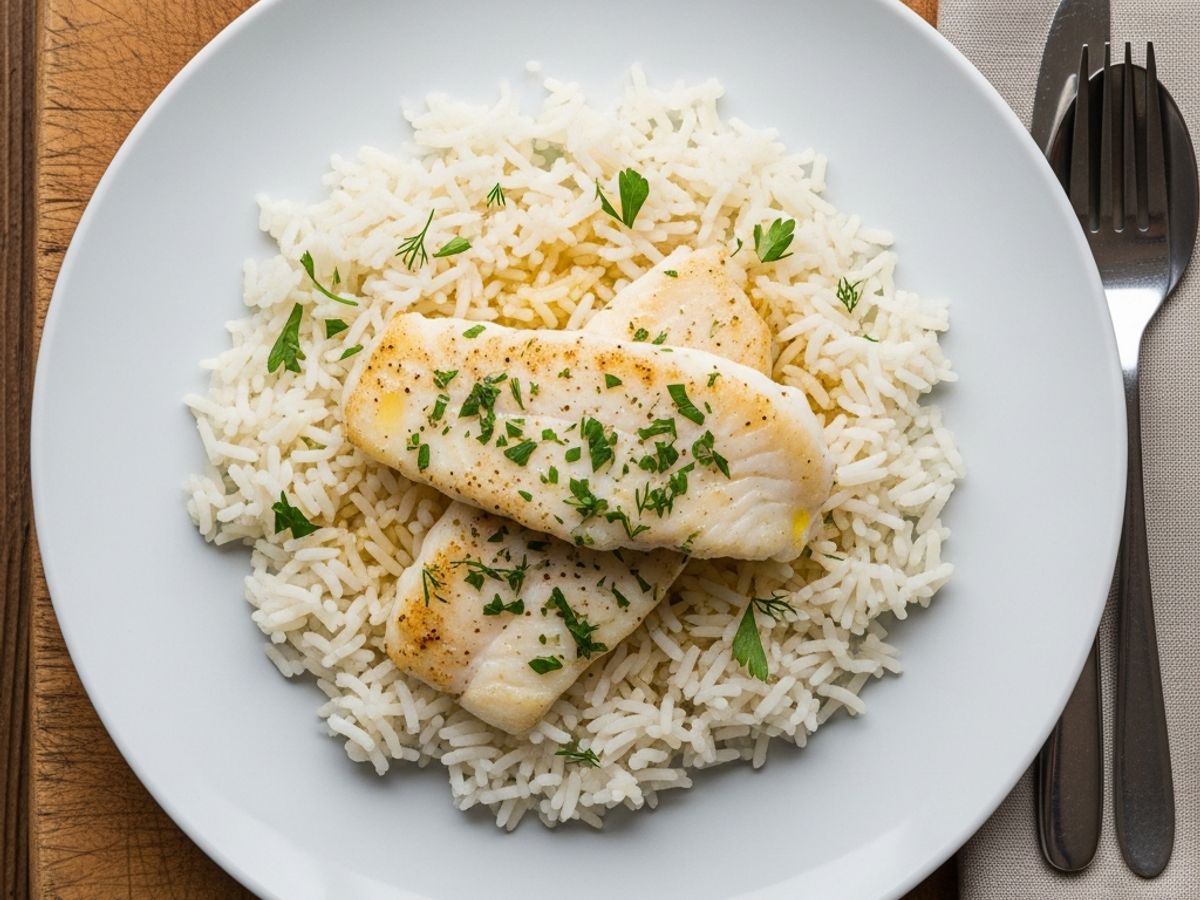
Pan-seared or baked fish over white rice.
Ingredients
Rice
- 1 cup long-grain white rice
- 1 1/2 cups water
- 1/4 teaspoon sea salt
Fish
- 2 fresh fish fillets (cod, halibut, or other white fish, about 6 ounces each)
- 1 tablespoon olive oil or butter
- 1/2 teaspoon sea salt
- Fresh parsley or dill for garnish
Instructions
Cook the Rice
- Rinse the rice under cold water until the water runs clear.
- Combine rice, water, and salt in a saucepan. Bring to a boil.
- Reduce heat to low, cover, and simmer for 18 minutes.
- Remove from heat and let sit covered for 5 minutes. Fluff with a fork.
Cook the Fish
- Pat the fish fillets dry with paper towels. Season with salt.
- Heat olive oil or butter in a skillet over medium-high heat.
- Add the fish and cook for 3-4 minutes per side until the fish flakes easily and reaches 145°F (63°C).
- For baking: Place seasoned fish in a 400°F (200°C) oven for 12-15 minutes.
Serve
- Divide the rice between plates.
- Place the fish on top of the rice.
- Garnish with fresh herbs. Serve immediately.
Tips & Substitutions
- Buy fish the same day you cook it. Freshness is critical for fish. Ask at the counter what came in that day. Fish that was frozen immediately after catch (often labeled "frozen at sea") can also be a good option.
- Cod, halibut, haddock, and tilapia all work. Choose whatever fresh white fish is available. Avoid smoked, cured, or canned fish entirely.
- Rinse the rice until the water runs clear. This removes excess starch and gives you fluffy, separated grains instead of sticky rice.
- Swap butter for olive oil to make it dairy-free. Both work well for cooking the fish. Olive oil gives a lighter flavor, while butter adds richness if you tolerate dairy.
- Add steamed broccoli or sauteed zucchini. A green vegetable on the side makes this a more complete and balanced meal.
Why This Works
Fresh white fish. White fish like cod and halibut are low in histamine when bought and cooked fresh. Fish is one of the most histamine-sensitive proteins, so same-day freshness matters more here than with any other ingredient.
White rice. Generally considered low histamine, gluten-free, and one of the most commonly tolerated grains. It provides a neutral base that pairs with almost anything.
Olive oil. A stable, low histamine cooking fat. It works well for pan-searing fish at medium-high heat without breaking down.
Fresh herbs. Parsley and dill are generally well tolerated and add brightness to a simple dish without relying on sauces or marinades that may contain triggers.
Storage
Fish is best eaten immediately after cooking. Of all proteins, fish accumulates histamine the fastest, so leftovers are not recommended. Cook only what you plan to eat. Leftover plain rice can be refrigerated and reheated within 24 hours.
Not sure if an ingredient is safe? Histamine Tracker includes a database of 1,000+ foods with histamine ratings to help you cook with confidence.


For educational purposes only. Not medical advice. Consult a healthcare professional for personal guidance.
References
- Is Cod Low Histamine? — Histamine Doctor
- Safer Fish for Histamine Intolerance — Healing Histamine
- Low Histamine Diet: Foods to Eat and Avoid — Wyndly
- Histamine and histamine intolerance — Maintz & Novak (2007)
- Histamine Intolerance: The Current State of the Art — Comas-Basté et al. (2020)
- Biogenic Amines in Plant-Origin Foods: Are They Frequently Underestimated in Low-Histamine Diets? — Sánchez-Pérez et al. (2021)
- Diamine Oxidase Supplementation Improves Symptoms in Patients with Histamine Intolerance — Schnedl et al. (2019)
- Histamine Intolerance — A Comprehensive Review — Jochum (2024)