 Histamine Tracker
Chamomile Honey Latte

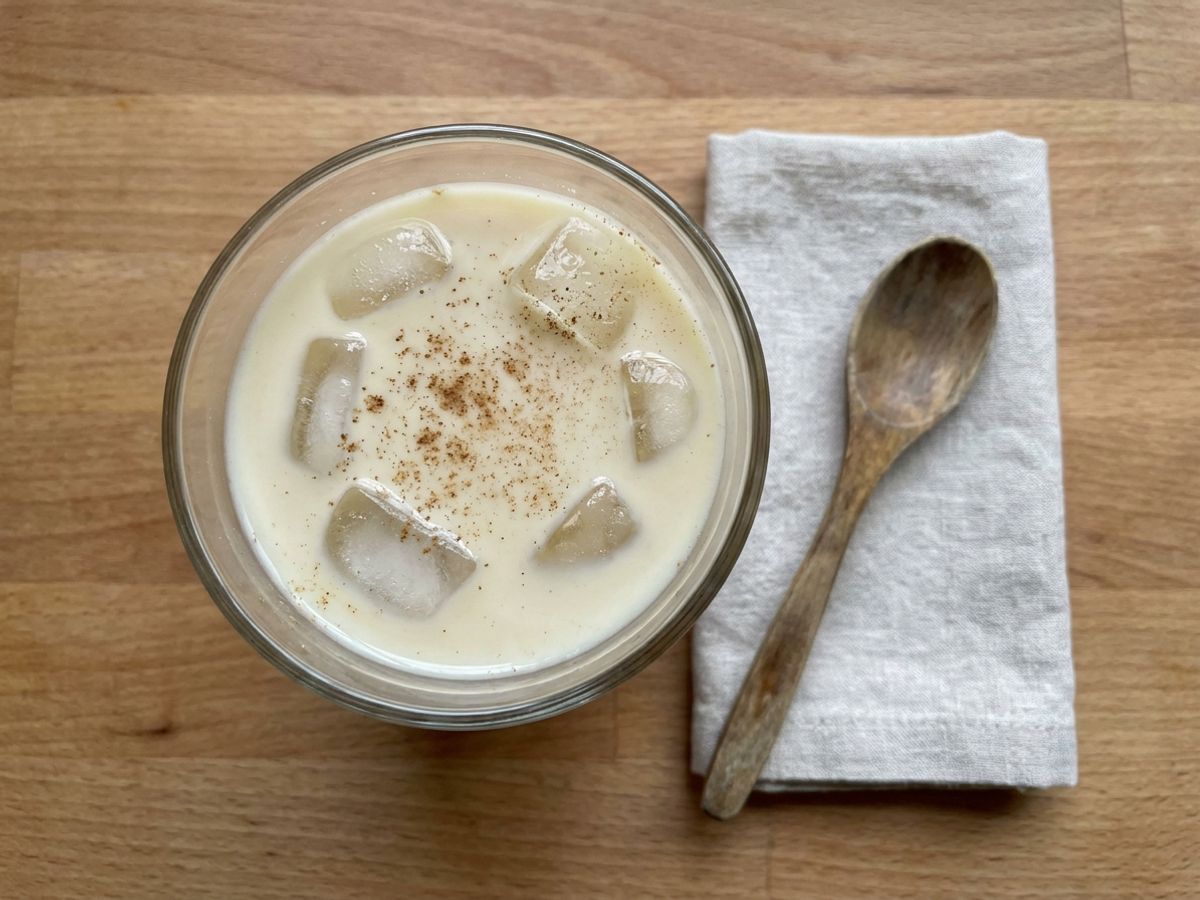
A low histamine latte of chamomile tea steeped in coconut milk with honey and vanilla.
Ingredients
- 1 cup full-fat coconut milk (no guar gum or carrageenan)
- 1 chamomile tea bag (or 1 to 2 teaspoons loose dried chamomile flowers)
- 1 to 2 teaspoons honey, to taste
- 1/4 teaspoon vanilla bean powder (optional)
- Pinch of ground cinnamon for garnish (optional)
Instructions
Steep the Chamomile
- Pour the coconut milk into a small saucepan over low heat.
- Add the chamomile tea bag or loose flowers (use a tea infuser or strainer for loose).
- Warm gently for 4 to 5 minutes, stirring occasionally. Do not let it boil.
- Remove from heat and taste. If you want stronger flavor, let it steep another minute or two.
Sweeten and Froth
- Remove the tea bag or strain out the loose flowers.
- Stir in the honey and vanilla bean powder until fully dissolved.
- For a frothy top, transfer to a blender and blend on low for 15 to 20 seconds, or use a handheld milk frother right in the saucepan.
Serve
- Pour into a warm mug.
- Sprinkle with a pinch of cinnamon if desired.
- Sip slowly while warm.
Tips & Substitutions
- Coconut milk choice matters. Look for full-fat coconut milk with only coconut and water on the label. Additives like guar gum or carrageenan can cause issues for some people.
- Vanilla bean powder over extract. Vanilla extract is made with alcohol and goes through fermentation, which can be a trigger for sensitive people. Vanilla bean powder is a gentler choice. You can also skip vanilla entirely.
- Loose chamomile is often fresher. Loose dried chamomile flowers from a fresh source tend to taste better than older tea bags. Either works.
- Add fresh honey at the end. Adding honey after the milk comes off the heat keeps the flavor soft and floral. Start with 1 teaspoon and add more if you like it sweeter.
- Make it lighter. For a less rich drink, use 1/2 cup coconut milk plus 1/2 cup water and steep the chamomile in both.
- Leave the coconut milk out. Plain chamomile tea is the same flowers steeped in hot water with a spoonful of honey.
 Get the Histamine Recipes app
250+ low histamine recipes, every ingredient rated.


Why This Works
Chamomile. Often considered low histamine and commonly tolerated, though individual response varies. It's been studied for potential calming and mast cell related effects. Chamomile is in the same plant family as ragweed, so anyone with a ragweed allergy may want to skip it.
Coconut milk. Naturally low in histamine and a creamy stand-in for dairy. Most people with histamine intolerance tolerate plain coconut milk well, though individual tolerance varies.
Honey. Generally low in histamine in small amounts. Some people are sensitive to the pollen or other compounds in honey, so start with a small amount and see how you feel.
Storage
Best made fresh and sipped warm. The coconut milk may separate or thicken if stored, and the chamomile flavor can turn bitter over time. If you have leftovers, chill quickly, refrigerate, and use within 24 hours. A fresh batch tastes much better.
Not sure about an ingredient?
Histamine tolerance is personal, and most of working it out comes down to knowing where individual foods stand. Our low histamine food list rates 4,500+ foods and explains the reasoning behind each rating, including the foods whose level depends on how fresh they are or how they were stored. It is worth a look before you swap anything in this recipe.
Before you eat
A lot of people with histamine intolerance take a DAO enzyme supplement 15 to 30 minutes before a meal. DAO is the enzyme your body uses to break down the histamine in food, and taking it with meals supports that natural process. Curious how it works? See do DAO supplements actually work.
Affiliate link: if you buy through it, we may earn a commission at no extra cost to you. These statements have not been evaluated by the Food and Drug Administration. This product is not intended to diagnose, treat, cure, or prevent any disease.
For educational purposes only. Not medical advice. Consult a healthcare professional for personal guidance.
References
- Guide to 13 Low Histamine Tea Options & Recipes — Low Histamine Eats
- Is Honey High or Low Histamine? (Manuka Honey Benefits) — Low Histamine Eats
- Is Coconut Milk High In Histamine — Casa de Sante
- Histamine and histamine intolerance — Maintz & Novak (2007)
- Histamine Intolerance: The Current State of the Art — Comas-Basté et al. (2020)
- Biogenic Amines in Plant-Origin Foods: Are They Frequently Underestimated in Low-Histamine Diets? — Sánchez-Pérez et al. (2021)
- Diamine Oxidase Supplementation Improves Symptoms in Patients with Histamine Intolerance — Schnedl et al. (2019)
- Histamine Intolerance — A Comprehensive Review — Jochum (2024)